DAY 001 / 180· 180 DAYS REMAINING
ONE MAN SHOWFILMS AI Filmmaking CourseAI Filmmaking Course

Meet Bharadwaj Dayala. One filmmaker. One feature film. 180 days, live.

One Man Show Films presents

Film was alwaysa team sport.Until now.

That just changed. The solo filmmaking era has begun.

001/ 180 DAYS
11

Film #1 · The first One Man Show production

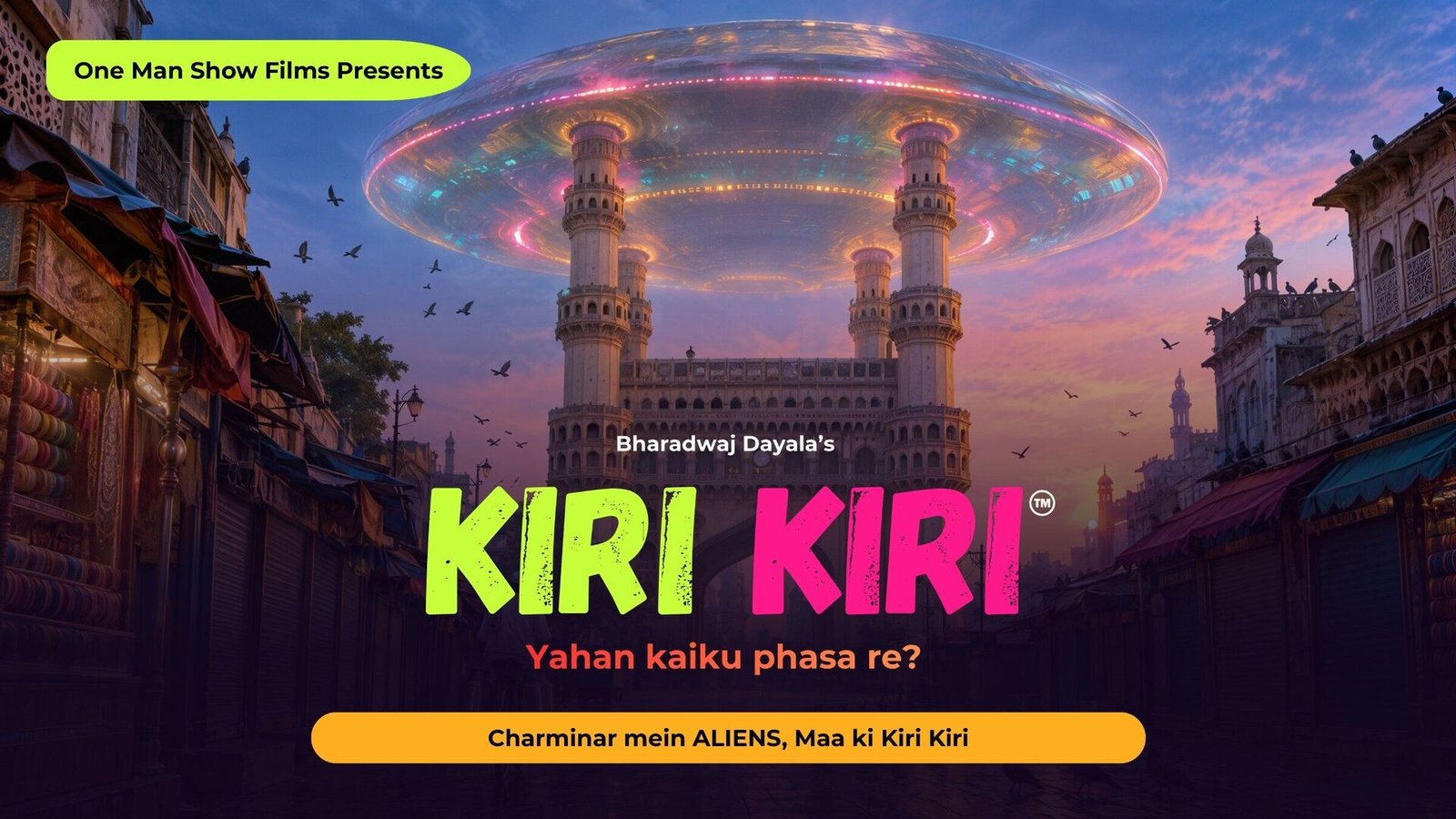
Kiri Kiri

Three aliens. One parked spaceship. The Charminar.

Their saucer runs dry above Hyderabad’s Old City. To survive, they drink the brains of three local boys and start speaking pure Hyderabadi. Their hunt for spaceship fuel turns a girl into a goddess, a murder mystery into a communal crisis, and the whole city into one big Kiri Kiri.

The aliens just want to go home. Hyderabad has other plans.

  • GenreSci-fi comedy
  • SettingOld City, Hyderabad
  • LanguageHindi + Telugu
  • Production22 Nov 2026 – 20 May 2027
  • Writer · DirectorBharadwaj Dayala
  • Made byOne man, with AI-powered workflows

The crew Zor’quann · Lafdaar · Howlektor

Meet the film

How we use AI

The human rules

AI is the crew. It is never the author. Four rules hold for every frame of every One Man Show film.

  1. A human author

    Every creative decision, from the first word to the final cut, is made by Bharadwaj. No one else touches the film.

  2. Real actors

    Real actors perform the scenes in the studio. Their raw emotions and expressions are captured and transferred to the AI characters.

  3. Consent first

    Every character is custom-designed for the film, not taken from stock AI characters. No real person's face or voice is ever used without their written consent.

  4. Shown, not claimed

    The work happens in public, every day, so anyone can see how each shot was made.

The credit roll

Every credit. One name.

On a normal feature these jobs belong to hundreds of people. Here each one lights up as Bharadwaj completes it.

0/ 23
CREDITS TAKEN
DoneIn progressStill to come

Auteur theory in action

One Man Show Filmmaking

Watch a feature film being made from scratch. Then make your own.

I’m turning my six-month filmmaking journey into a course. My studio is open to members 24/7. Every day I share tips on the craft and everything I do, so you watch a feature film made from scratch and make your own alongside it.

Live filmmaking courseHyderabad · Live to the world

One Man ShowFilmmaking

A six-month live course in solo feature filmmaking with AI

180 days inside a real feature film. Every word, shot and decision of Kiri Kiri, live from the first page to the final frame, while you make your own film alongside it.

  • 180days, no days off
  • 4live sessions a day
  • 24/7witness camera
  • 2films: Kiri Kiri and yours
22 Nov 2026 → 20 May 2027See the course

Today in the studio

Today's update

Get the daily report by emailEvery evening at 7 PM: what I made, what broke, and what's next.

Notes from the studio

From the blog

Insert shots

From the Gallery

SCENE 1 — THE EXPERIMENT

One man locks himself in a studio for six months. He walks out with a feature film.

24/7 Live
Not a reelNot a short filmNot a proof of concept

A complete feature film, made to be judged as cinema. Real actors give it its emotion; AI builds the world around them. The story comes first; the method is how it gets made.

AI is the crew. Never the author.

One man writes a novel. One man writes a symphony. It is essential that one man make a film.
STANLEY KUBRICK · 1961
SCENE 2 — THE TWIST

He has never made a feature film. That is the whole point.

No featureNo screenplayNot even a short

When a master makes a film, you see talent. When a first-timer makes one alone, live, in six months, you see a system. Talent can’t be taught. A system can.

Not a masterclass. A proof.

SCENE 3 — THE RIDER

He made history before. Now he is making it again.

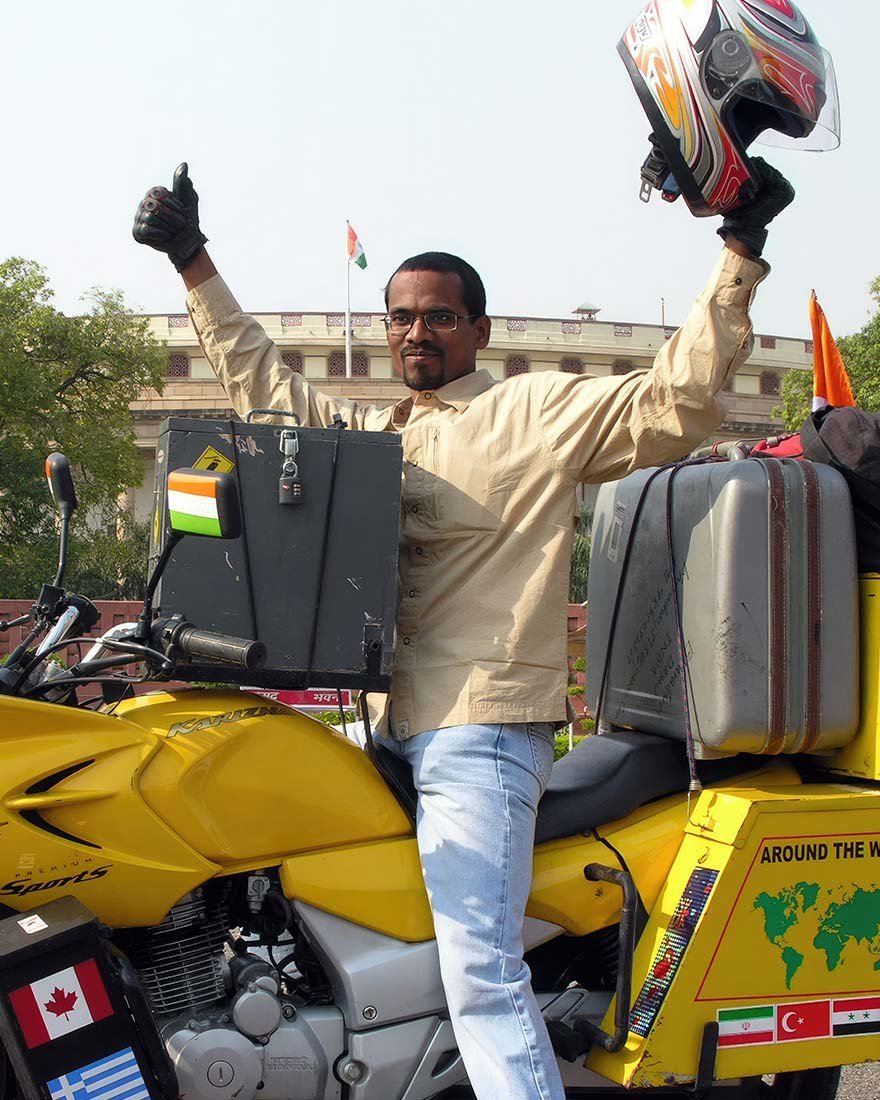
2006: the first Indian to ride a motorcycle alone around the world. Co-founder of Virtualone Studios, Hyderabad's first virtual production studio. Now: a complete feature film, alone, inside one studio, in six months.

Records can be broken. Being first can't.

I would rather spend my life attempting the impossible than explaining why it cannot be done.
— BHARADWAJ DAYALA
ON AIR
SCENE 4 — IN PUBLIC

Every step happens in public.

The ideasThe testsThe mistakesThe failuresThe breakthroughs

He lives inside the studio for six months. A witness camera never stops rolling. The work goes live from 4 AM, every day. The making of the film becomes part of the story.

Not after it works. Before we know if it will.

Whether you think you can, or you think you can’t, you’re right.
HENRY FORD
SCENE 5 — THE OLD LAW

For a hundred years, cinema demanded armies.

A crew of hundreds. A production house's yes. Money you did not have. Most stories died at the gate, not because they were weak, but because the one who carried them stood alone.

That law just broke.

SCENE 6 — THE SHIFT

The solo era has begun.

Before

Write. Pitch. Wait. Collect rejections.

Now

One person. AI as the crew. From idea to screen in months, on your own terms.

The only yes you need now is your own.

SCENE 7 — THE GAP

The tools arrived. The method didn't.

IThe old way

Film education teaches one craft at a time. Mastering every department takes years.

IIThe flood

New AI tools every week. Tutorials teach buttons, not how to finish a film.

IIIThe missing bridge

No one shows how real filmmaking craft and AI become one finished film. That bridge is what we build.

Tools make shots. A method makes films.

SCENE 8 — THE OPEN SET

Watch one man make an entire feature film from scratch. And make your own.

Film #1 · The first One Man Show production

Kiri Kiri

Three aliens. One parked spaceship. The Charminar.

Their saucer runs dry above Hyderabad’s Old City. To survive, they drink the brains of three local boys and start speaking pure Hyderabadi. Their hunt for spaceship fuel turns a girl into a goddess, a murder mystery into a communal crisis, and the whole city into one big Kiri Kiri.

The aliens just want to go home. Hyderabad has other plans.

  • GenreSci-fi comedy
  • SettingOld City, Hyderabad
  • LanguageHindi + Telugu
  • Production22 Nov 2026 – 20 May 2027
  • Writer · DirectorBharadwaj Dayala
  • Made byOne man, with AI-powered workflows

The crew Zor’quann · Lafdaar · Howlektor

Follow the 180 days
Real ACTORS give the performances. AI turns three of them into ALIENS. The CHARMINAR plays itself. One filmmaker makes the entire film, live, in 180 days, giving people and the aliens a taste of Hyderabadi biryani. KIRI KIRI will redefine how films are made.
KIRI KIRI · WHY YOU’LL WANT A TICKET
The look

Old City colour. Outer space chaos.

Real performances, restyled into a saturated, stylised world. Bangle-shop pinks, biryani saffron, Charminar at dusk, and a saucer that glows like wedding lights.

  • Bangle-shop pink
  • Biryani saffron
  • Saucer neon
  • Charminar at dusk
  • Wedding-light lilac

The world

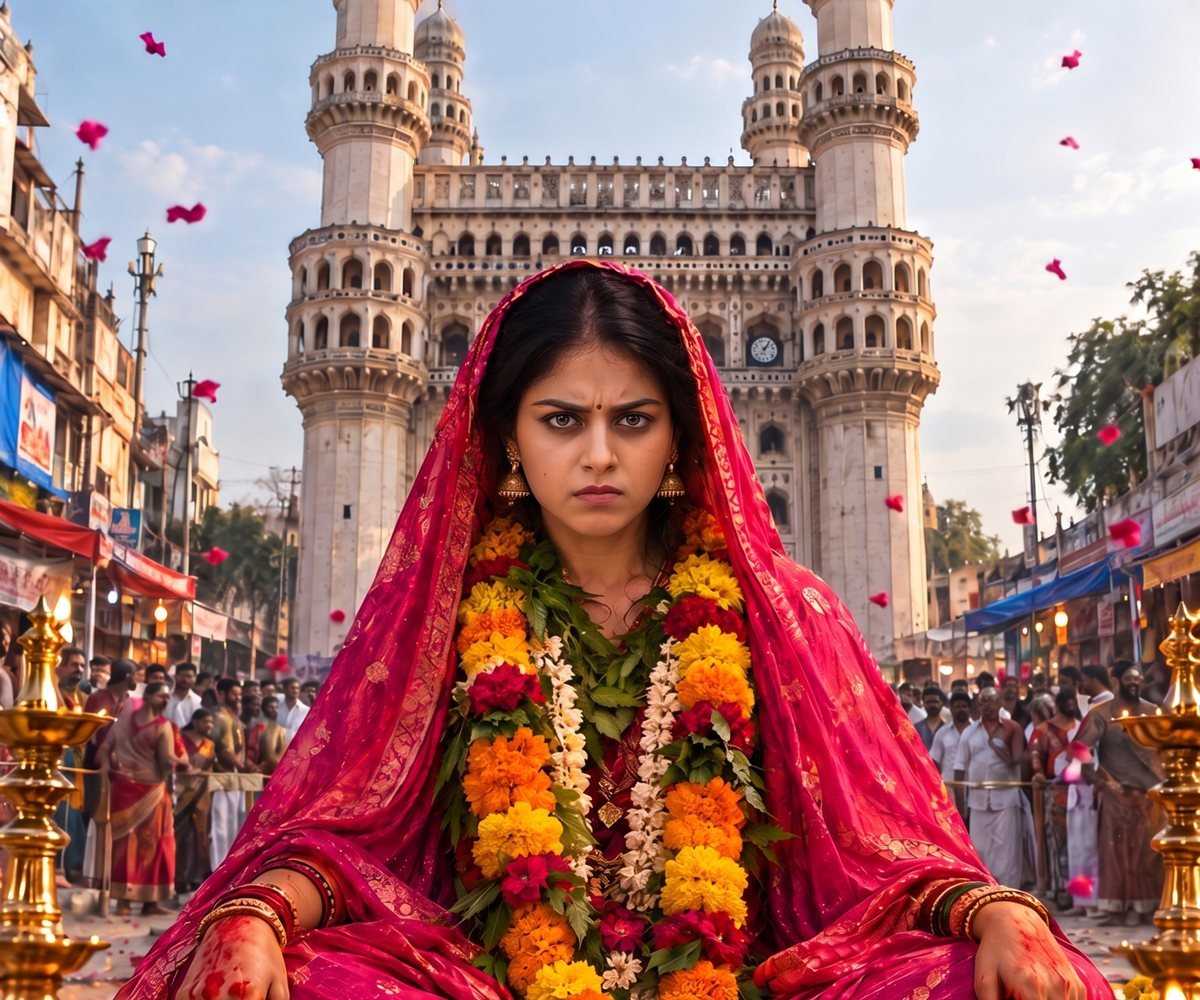
Hyderabad, like you’ve never seen it

Concept frames. The final look is built on screen, day by day.

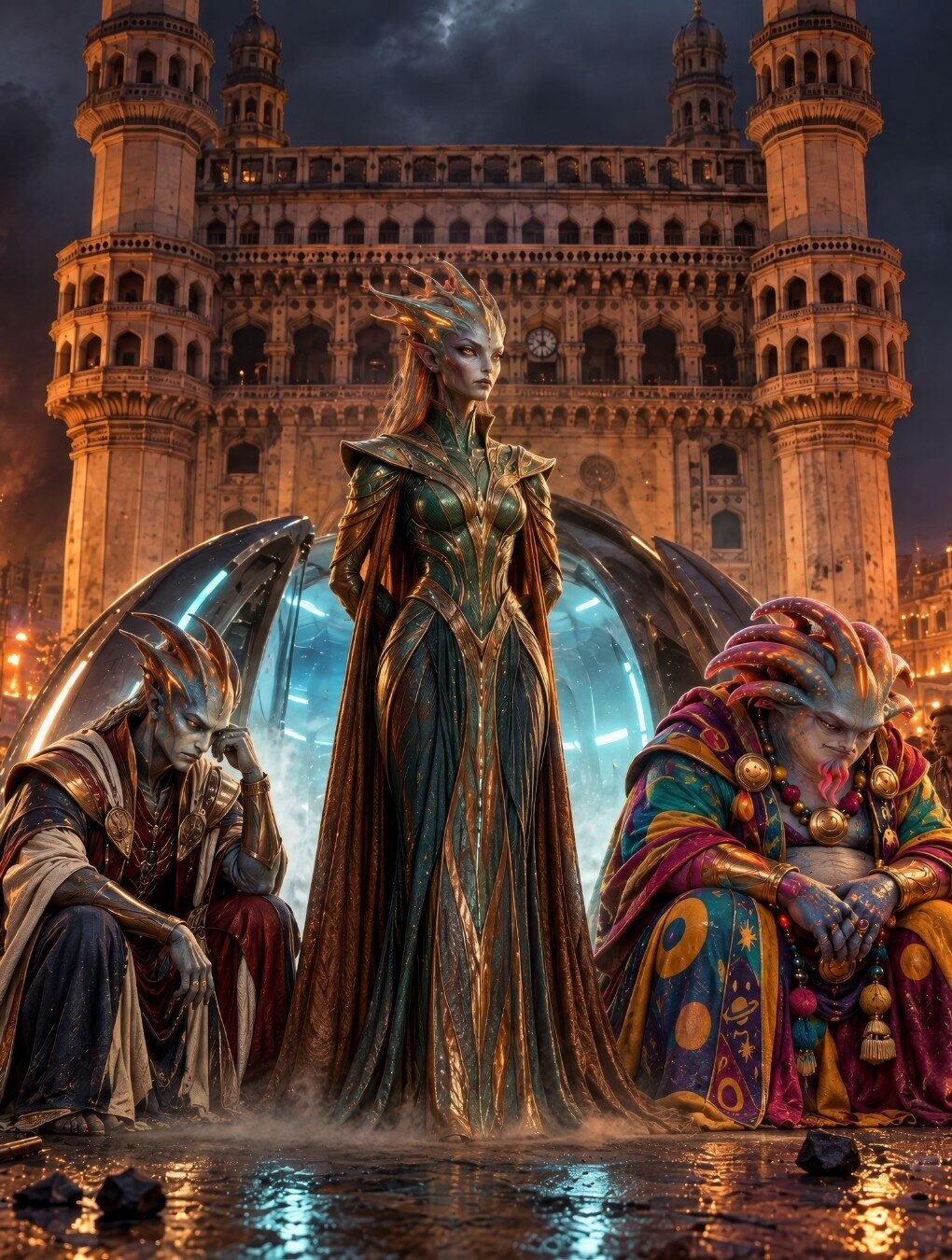
The alien crew on the Charminar
The crew, stranded on the Charminar.
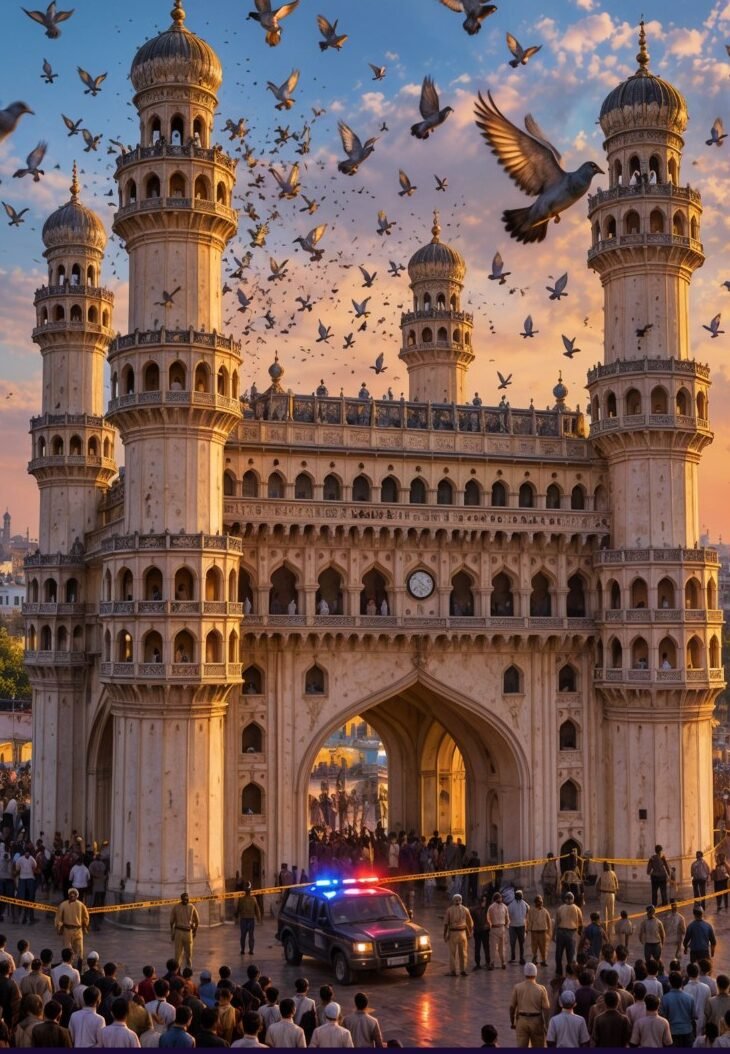
The Charminar at dawn with pigeons
Old City mornings.
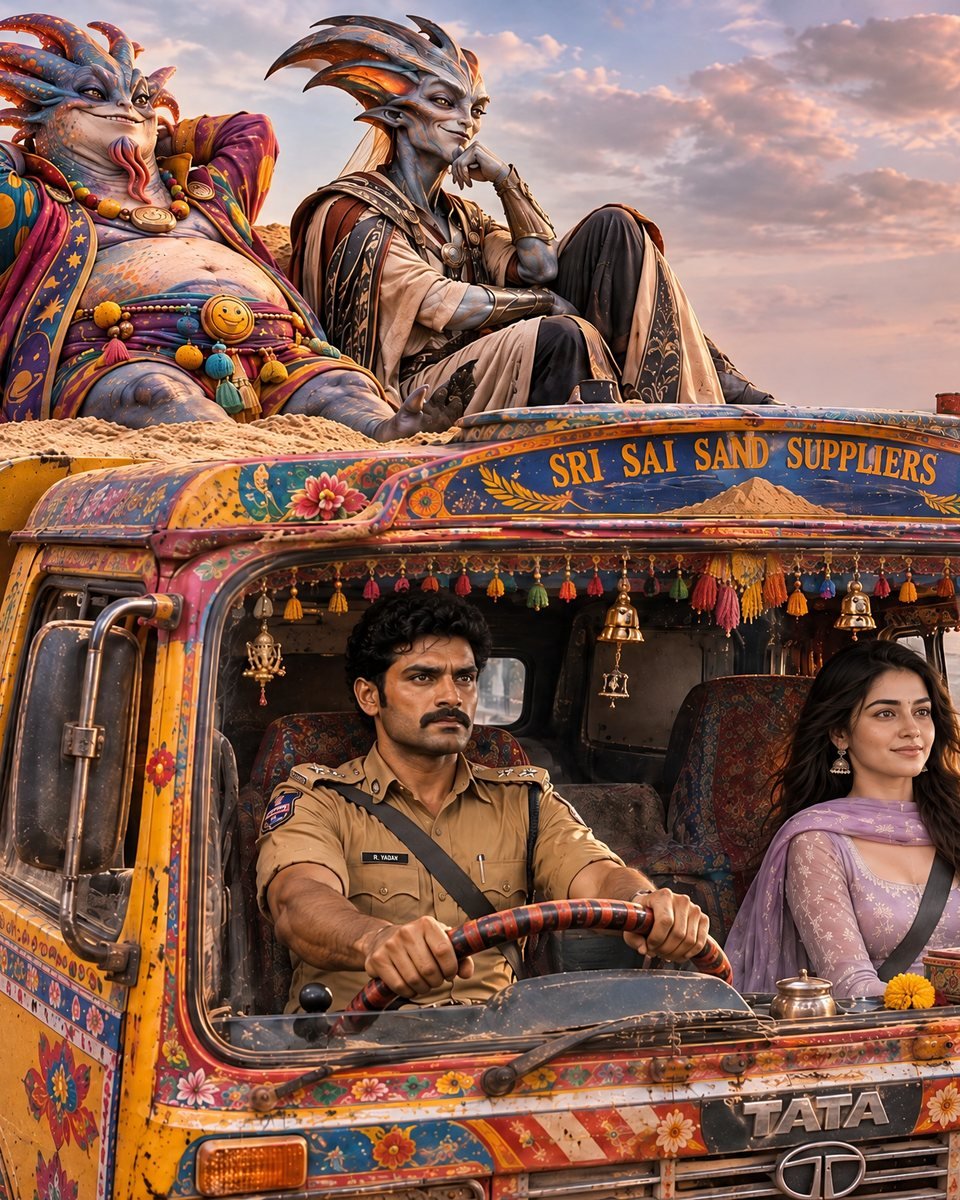
Inspector Eashwar drives a painted sand truck along the Vizag coast at sunset, with Fathima beside him and the three aliens riding on the sand
The road to Vizag.

Cast of characters

The crew

Reference designs. The final look evolves on screen, day by day.

Zor'quann, the alien queenThe Queen

Zor'quann

Rules the saucer like a queen. Hyderabad teaches her humanity.

Lafdaar, the alien pilotThe Pilot

Lafdaar

Ran out of fuel over India. Has a reason why it's everyone else's fault.

Howlektor, the alien assistantThe Assistant

Howlektor

Loyal, nervous, dangerously hungry. Has just discovered Irani chai and biryani.

The humans

FathimaThe Girl

Fathima

Never asked to be chosen. The city calls her a goddess. She just wants her life back.

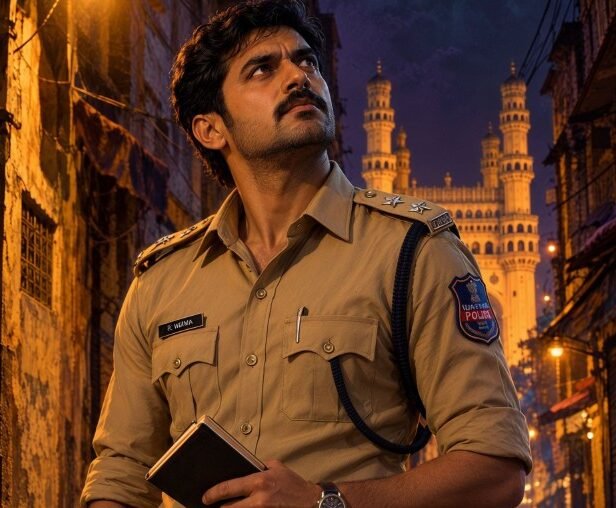
Inspector EashwarThe Law

Insp. Eashwar

Lives by facts. Then the facts grew antennae.

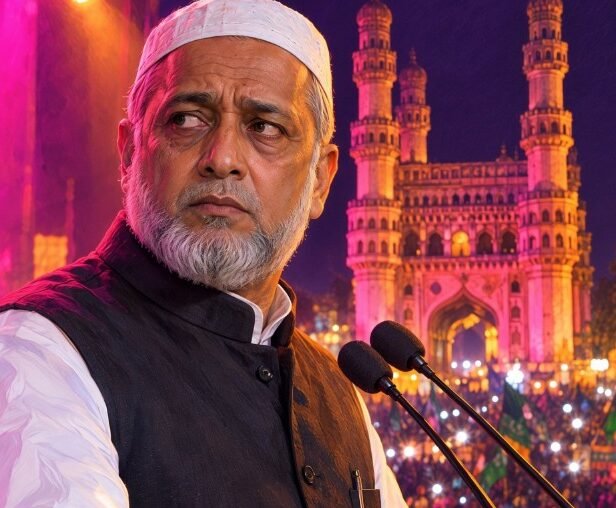
MLA RahmanThe Father

MLA Rahman

Firebrand politician. Terrified father.

Why this film

Not another dystopia.Not another myth.

Almost every AI film so far is set in a dystopian future or a mythological past. Those worlds are easy to forgive: nobody knows exactly what a robot apocalypse or a war of the gods should look like, so almost anything passes.

The real test is the cinema people actually queue for. A street that has to feel like Hyderabad. A father’s temper, a cop’s doubt, a joke that lives or dies on half a second of timing. The Telugu and Hindi films that fill theatres every Friday.

So Kiri Kiri is a social sci-fi comedy: family drama, a murder mystery, a city on edge and three aliens, all in one mainstream film. If AI can carry that, it can carry any film.

The proof isn’t a spectacle. It’s a Friday release.

The challenge

Why this film is hard to make

Every one of these is a problem no single filmmaker has solved on a feature. Each one gets solved live, in the studio.

  1. Three aliens, played by real actors

    Real performances captured in the studio and carried into three alien characters, without losing a single expression.

  2. A spaceship on a real monument

    Parking a ship on top of the Charminar so it feels like it has always been there.

  3. The Old City, full of people

    Crowded streets, festivals and a city in uproar, with no crew and no extras.

  4. Deccani comedy timing

    Making jokes land when half the shot is generated. Timing is decided on set and protected in the edit.

Director's note

Why I'm making this film

"Kiri Kiri is my love letter to the Old City. Made to make a whole country laugh, and then look at each other a little differently on the way out."

When I rode around the world, people everywhere asked me about Charminar. I've carried that monument with me ever since. When I finally sat down to tell a story, it had to start there, on those four minarets, in those lanes, with that language.

— BHARADWAJ DAYALA, DIRECTOR

Watch it being made
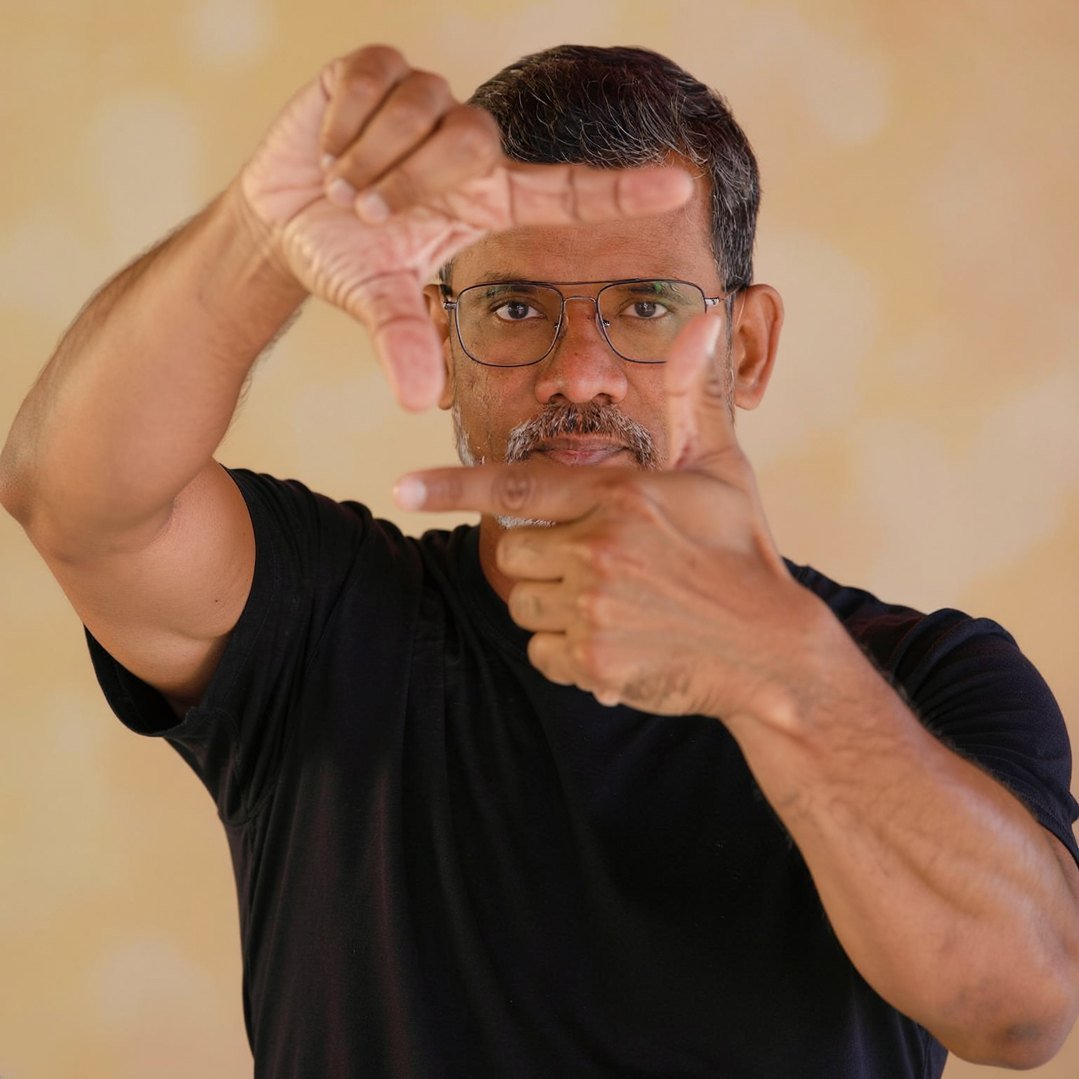
Bharadwaj Dayala framing a shot with his hands

The producers

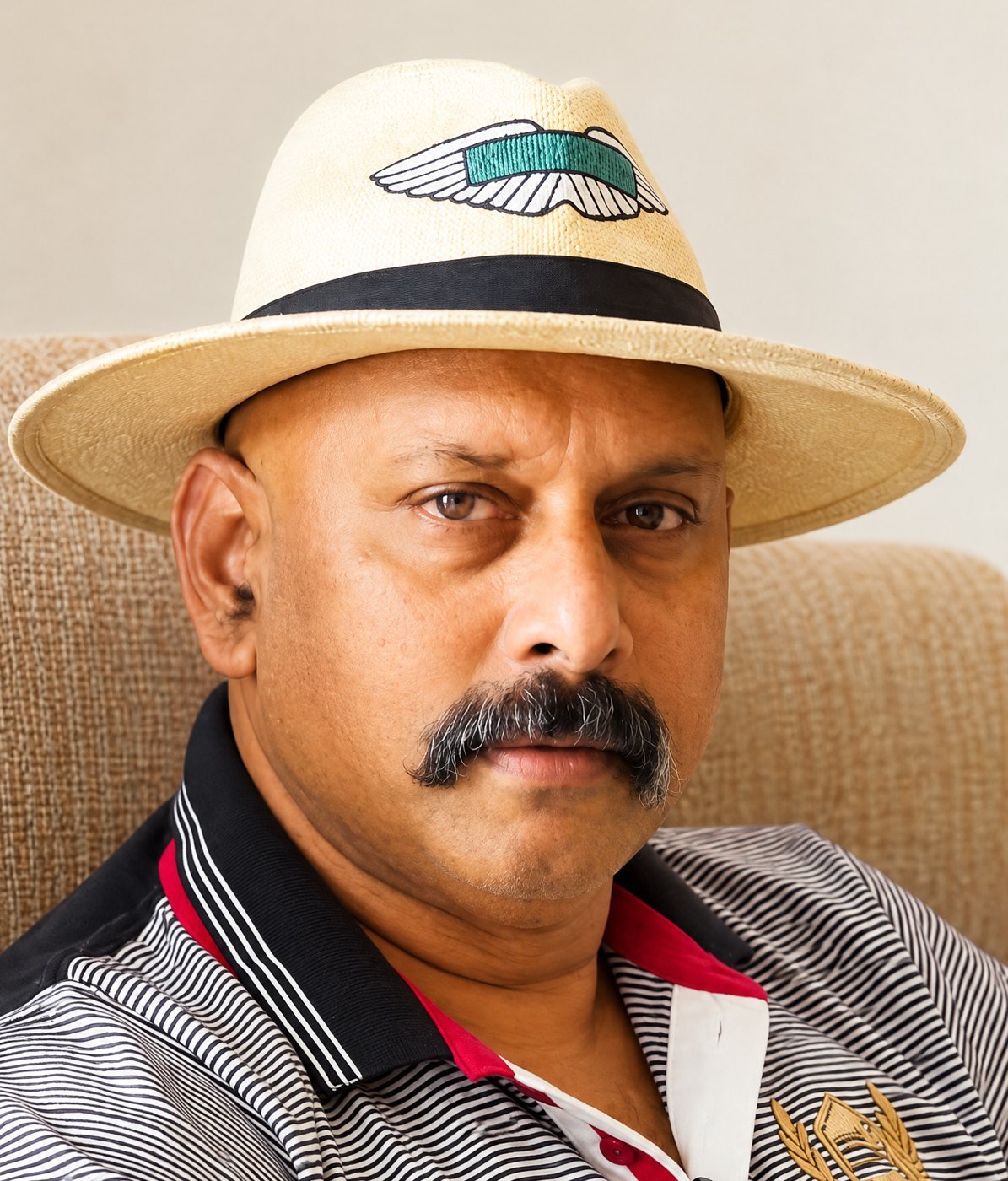
Bharadwaj Dayala
Producer

Bharadwaj Dayala

Founder of One Man Show Films. The first Indian to ride a motorcycle solo around the world, and co-founder of Virtualone Studios, Hyderabad's first virtual production studio.

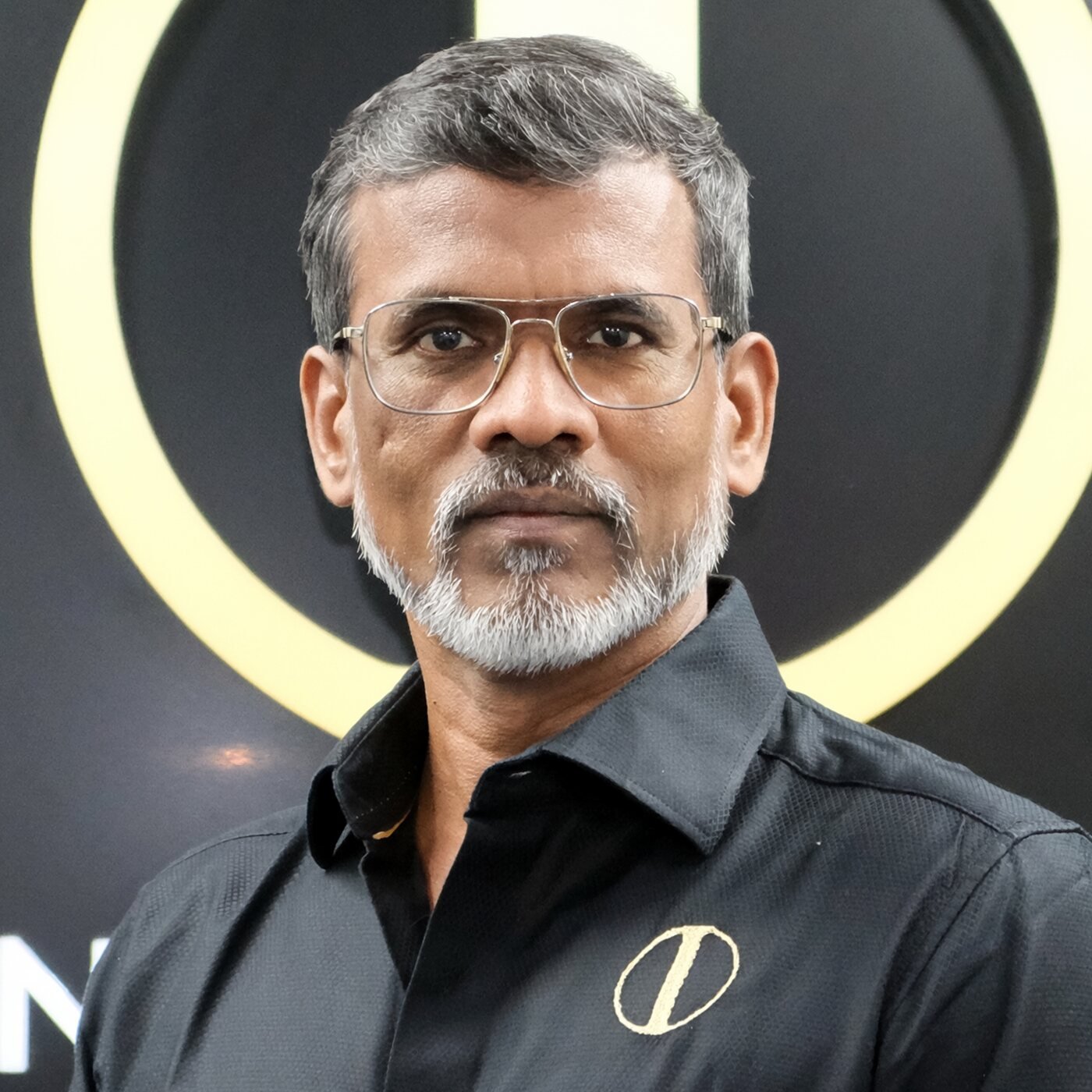
Ravikanth Veerepalli
Co-producer

Ravikanth Veerepalli

A visionary entrepreneur driven by technology, innovation and an instinct to build what the future will need.

He has built a strong legacy in construction and infrastructure across Andhra Pradesh, and founded Virtualone Studios, Hyderabad's first virtual production studio. Now he steps into film production with his eyes on the next revolution: AI-powered cinema.

Where the film is now

Day 1 of 180

PhaseCountdown to Day 1
Credits taken0 / 23
Latest from the studioFollow the 180 days →

Notes from the studio

Blog

Articles from the studio, written whenever there is something worth saying: the craft, the tools, the people, the failures and the events. The day-by-day record lives on 180 Days.

Insert shots

Gallery

Frames, designs and footage from the studio, filed by phase.

Live filmmaking courseHyderabad · Live to the world

One Man ShowFilmmaking

A six-month live course in solo feature filmmaking with AI

180 days inside a real feature film. Every word, shot and decision of Kiri Kiri, live from the first page to the final frame, while you make your own film alongside it.

  • 180days, no days off
  • 4live sessions a day
  • 24/7witness camera
  • 2films: Kiri Kiri and yours
22 Nov 2026 → 20 May 2027

Read this first

This is not an AI filmmaking course. It’s a filmmaking course, with AI.

Anyone can prompt a model for pretty shots. That doesn’t make a film. Here you learn every craft first, then bring AI in exactly where it helps. It’s a one-person filmmaking course: you alone learn every skill it takes to make a feature film.

  1. 01Learn the craftWhat filmmaking actually is, department by department.
  2. 02Add the toolsAI brought into each craft, once you know what it should do.
  3. 03Make the filmYour own film, made with both.

Years of film study, fast-tracked into six months.

You have waited long enough to make your film. Film school is valuable, but it takes years, costs lakhs, and usually teaches one craft. If you have a story and no time to wait, here is every craft in six months, made for the AI era.

One Man Show Filmmaking

Watch a real feature film being made. Then make your own.

For six months, a real feature production stays open to course members. Watch Kiri Kiri being made, from the first word to the final frame, and make your own film alongside it.

Who this course is for

This course is for you if you are…

01
A storyteller

You’ve never made a film or touched an AI tool, but there are stories in your head the world should see. Here you learn both, and tell them.

That’s me
02
A budding filmmaker

You know the theory. No contacts, no producer, no crew, and no idea where to start. Now you want to make your own feature.

That’s me
03
A professional

You know the craft. Now you’re exploring AI and new ways to tell stories, and you want to lead the change, not be replaced by it.

That’s me
04
A content creator

You can hold an audience for sixty seconds. Now hold them for two hours.

That’s me

The gap

Everyone teaches the tools. No one opens the set.

The tools have arrived. The method hasn't. This course shows how craft and AI become one finished film.

A typical AI film course gives you

  • Demos and sample projects
  • Mostly pre-recorded
  • Tool specialists
  • Fully synthetic characters
  • Clips and experiments
  • Weekends, or years of study

One Man Show Filmmaking gives you

  • A feature film in production
  • Daily tips and a live studio, 4 AM to 7 PM
  • Me, sharing everything as I make my film
  • Real actors driving AI characters
  • Your own finished film, and a feature witnessed
  • Six months, from first word to release

How this is going to work

Six exciting months. Not a weekend course.

IEvery department, one person

A crew of hundreds, replaced by one person. The work doesn’t divide. It multiplies.

IINothing is proven

Much of this has never been done on a feature. Every workflow is tested, broken and rebuilt in the open.

IIINo days off

180 days. 4 AM to 7 PM. No weekends, no breaks, no one to hand the work to.

Not a course. An expedition. The kind you come back from changed.

When you love the work, you don’t need a day off. You need someone to make you stop.
BHARADWAJ DAYALA

The monthly plan

Open the six-month plan
1MONTH 1 · DAYS 1–30

Story & Screenplay

22 Nov – 21 Dec 2026

From an idea on the wall to a locked screenplay. You write your own film alongside it.

Premise · Characters · Story structure · Drafts · Script lock

2MONTH 2 · DAYS 31–60

Pre-production

22 Dec 2026 – 20 Jan 2027

The script becomes a plan, scene by scene and shot by shot.

Shot division · Storyboards · Art direction & production design · Look of the film · Casting & actor workshops · Shoot schedule

3MONTH 3 · DAYS 61–90

Directing Actors

21 Jan – 19 Feb 2027

Cameras roll. Real actors perform every scene in the studio, framed and lit as they’re shot. These performances drive everything that follows.

Rehearsals · Directing performance · Camera & cinematography · Lighting · Performance capture

4MONTH 4 · DAYS 91–120

AI Generation

20 Feb – 21 Mar 2027

The performances become the film. Characters, worlds and every shot are generated, checked and finished.

Character consistency · Worlds & environments · Shot generation · Quality control · Fixes

5MONTH 5 · DAYS 121–150

Editing & Colour

22 Mar – 20 Apr 2027

The film is assembled, cut, recut and graded. You watch the hard calls on what stays and what goes.

Assembly · Rough cut · Fine cut · Pacing · Colour grading

6MONTH 6 · DAYS 151–180

Sound, Music & Release

21 Apr – 20 May 2027

Voices, effects and music bring the film to life. Then it goes out into the world.

Dialogue · Sound design · Music · Final mix · Festivals & release

Every scene, every twist, every mistake, revealed before the film reaches a theatre. That’s a huge risk. But you can’t teach everything without revealing everything. I always wanted someone to show me how a film is really made. No one did. So I will.
BHARADWAJ DAYALA

A platform for global filmmakers

Rooted in India. Built for the world.

Filmmaking is the same everywhere. What you watch in Hyderabad works just as well in Mexico City, Melbourne or Jakarta.

Learn from anywhere

Live in English, every session recorded. No time zone misses a thing.

Tell it in your language

Watch a Hyderabadi comedy. Make your film in Spanish, Bahasa or any language.

Make it anywhere

A computer and a story. No studio, no crew needed.

The obvious question

Would you learn filmmaking from legendary filmmakers, or from me?

Start with me. Then study the legends.

Legendary filmmakers
MasterclassesHow they made their films.

Legends share a few tips and techniques, but you see only the results, never the decisions behind them. Even as an assistant director on their sets, you would see only one department, never the whole film.

Bharadwaj Dayala
An open setHow a film gets made.

Every one of the thousands of decisions, right or wrong, made live in front of you, from the first word to the final frame.

Filmmaking is not one skill. It is dozens of crafts, hundreds of practical problems and thousands of decisions, all working together. You can’t learn that by listening to someone talk about it.

Every celebrated filmmaker has a masterclass. Go watch them. If you’re still not sure how to make a film, then join
ONE MAN SHOW FILMMAKING COURSE.

Your seat in the studio

Ready? Join the course.

The course opens onSunday, 22 November 2026

SPECIAL FOUNDING PRICES ONLY FOR EDITION 1.Founding prices end 30 November 2026.

Recommended

The full course · all six months

₹30,000₹60,000
Outside IndiaUS$499US$999

These prices are open until 30 November 2026. From 1 December, the full course is ₹60,000 in India and US$999 outside India.

One payment · inclusive of all taxes

  • All six months, from first word to release
  • Daily tips, live studio 4 AM to 7 PM, evening update
  • Every session recorded, on demand until one month after the course ends
  • Make your own film, start to finish
  • The course short film competition
  • Two tickets to the Kiri Kiri premiere: one for you, one for someone who believed in you
Join the full course

Checkout shows your price automatically: ₹30,000 in India, US$499 outside India.

Know more about the course →
Secure paymentInclusive of all taxesQuestions? course@onemanshowfilmschool.comWhatsApp +91 77802 37215
Single month

Only need one craft?

₹10,000per month
Outside IndiaUS$149per month

Inclusive of all taxes · every session of your month recorded and on demand during your month and for one month after it ends

Each month is one craft, start to finish. Here is exactly what you learn in each.

1MONTH 1 · DAYS 1–30

Story & Screenplay

22 Nov – 21 Dec 2026

From an idea on the wall to a locked screenplay. You write your own film alongside it.

  • Premise
  • Characters
  • Story structure
  • Drafts
  • Script lock
Join month one Know more about the course →
2MONTH 2 · DAYS 31–60

Pre-production

22 Dec 2026 – 20 Jan 2027

The script becomes a plan, scene by scene and shot by shot.

  • Shot division
  • Storyboards
  • Art direction & production design
  • Look of the film
  • Casting & actor workshops
  • Shoot schedule
Join month two Know more about the course →
3MONTH 3 · DAYS 61–90

Directing Actors

21 Jan – 19 Feb 2027

Cameras roll. Real actors perform every scene in the studio, framed and lit as they’re shot. These performances drive everything that follows.

  • Rehearsals
  • Directing performance
  • Camera & cinematography
  • Lighting
  • Performance capture
Join month three Know more about the course →
4MONTH 4 · DAYS 91–120

AI Generation

20 Feb – 21 Mar 2027

The performances become the film. Characters, worlds and every shot are generated, checked and finished.

  • Character consistency
  • Worlds & environments
  • Shot generation
  • Quality control
  • Fixes
Join month four Know more about the course →
5MONTH 5 · DAYS 121–150

Editing & Colour

22 Mar – 20 Apr 2027

The film is assembled, cut, recut and graded. You watch the hard calls on what stays and what goes.

  • Assembly
  • Rough cut
  • Fine cut
  • Pacing
  • Colour grading
Join month five Know more about the course →
6MONTH 6 · DAYS 151–180

Sound, Music & Release

21 Apr – 20 May 2027

Voices, effects and music bring the film to life. Then it goes out into the world.

  • Dialogue
  • Sound design
  • Music
  • Final mix
  • Festivals & release
Join month six Know more about the course →

Questions

FAQ

New to filmmaking or AI

I know nothing about filmmaking. Can I join?

Yes. This course is built for you. Every month starts from the basics of its craft, and you watch each one used on a real feature the same day.

I know nothing about AI either. Is that a problem?

No. You learn the craft first. AI tools come in where they belong in the process, and you see every one of them used, step by step, before you try it yourself.

How much time do I need each day?

Around 40 minutes to an hour. Each session is cut down to a 5–10 minute version, so you can follow the whole day without watching twelve hours. The full sessions are there whenever you want more.

I live in a different time zone. Will I miss things?

No. Every session is recorded and goes into the member archive the same day, available until one month after your course or month ends.

What equipment or software do I need?

Your own laptop or phone and an internet connection. That is all you need to learn: every AI tool runs on my screen, live. AI subscriptions are needed only if you make your own film alongside the course. We are working with AI platforms on student discounts, but that is not a promise yet.

What language is the course in?

English. The film itself is in Hindi and Telugu, with its Hyderabadi Deccani flavour intact.

For working filmmakers

I already work in film. What will I learn that I don’t know?

How AI actually fits into each department of a real feature: where it saves weeks, where it fails, and how the pieces connect into one finished film. Not demos. A production, start to finish.

Does AI replace actors and crew here?

No. Real actors perform every scene, and their performances drive the AI characters. AI is used as a tool inside the craft, not as a replacement for it.

Which AI tools and models will you use?

Whatever the production genuinely needs, and you’ll see why each one was chosen. Tools change every month, so the real skill you take away is how to choose and combine them.

Will the film look like cinema or like ‘AI video’?

That is exactly what this production is testing. You’ll see the results every day, the good and the bad, and how each problem gets solved.

What about copyright, consent and likeness?

They come up inside each month, where they matter: tool terms, actor consent, voice and likeness, music rights and honest disclosure of AI use.

Your own film

Do I have to make a film?

You don’t have to, but the course is designed around it. You build your own film alongside Kiri Kiri, one craft at a time.

Who owns the film I make?

You do. Your work is yours.

Is the studio stream confidential?

Yes. Every member signs a non-disclosure agreement (NDA) before access begins and agrees to keep the working stream, the sessions and unreleased material private. Full terms are shared before you join.

Membership and payment

What does it cost?

The full course is ₹30,000 in India and US$499 outside India, for all six months. A single month is ₹10,000 in India and US$149 outside India. Both prices are inclusive of all taxes. These founding prices end on 30 November 2026. After that, the full course will be ₹60,000 in India and US$999 outside India.

Why is the full course so much cheaper than six single months?

Because I strongly recommend it. A film needs every craft, in order, and I want as many people as possible to take the whole journey.

How long can I watch the recordings?

Until one month after your course or month ends. Full-course members can watch every session throughout the six months and for one more month after the course ends, until 20 June 2027. Single-month members can watch every session of their month during that month and for one more month after it ends. For example, Month 1 runs from 22 November to 21 December 2026, so its recordings stay open until 21 January 2027.

Will Edition 2 cost the same?

No. Edition 1 has founding prices. From Edition 2, the full course will be ₹3 lakh and each month ₹1 lakh.

Can I cancel anytime?

Before the course begins: yes, you can cancel with a full refund.

Single month: once your month has started, it can’t be cancelled or refunded.

Full course: you can cancel during Month 1 or Month 2. Each month that has started is charged at the single-month price of ₹10,000, and the rest is refunded. Cancel in Month 1 and you get ₹20,000 back. Cancel in Month 2 and you get ₹10,000 back. From the start of Month 3, the full course can’t be cancelled or refunded.

How do I join?

Click Join the course on this page and complete the payment. You’ll receive your access details before the course begins.

I have another question. Who do I ask?

Write to course@onemanshowfilmschool.com. Every course question comes to this inbox.

BusinessmanStorytellerEntrepreneur

Bharadwaj Dayala

First, he rode the world alone.
Now he’s making a feature film alone. Live.

Born in Visakhapatnam. Based in Hyderabad. Allergic to waiting for permission.

  • 2006First Indian to ride solo around the world
  • 2020Co-founded Hyderabad’s first virtual production studio
  • 2026One man. One feature. 180 days, in public.
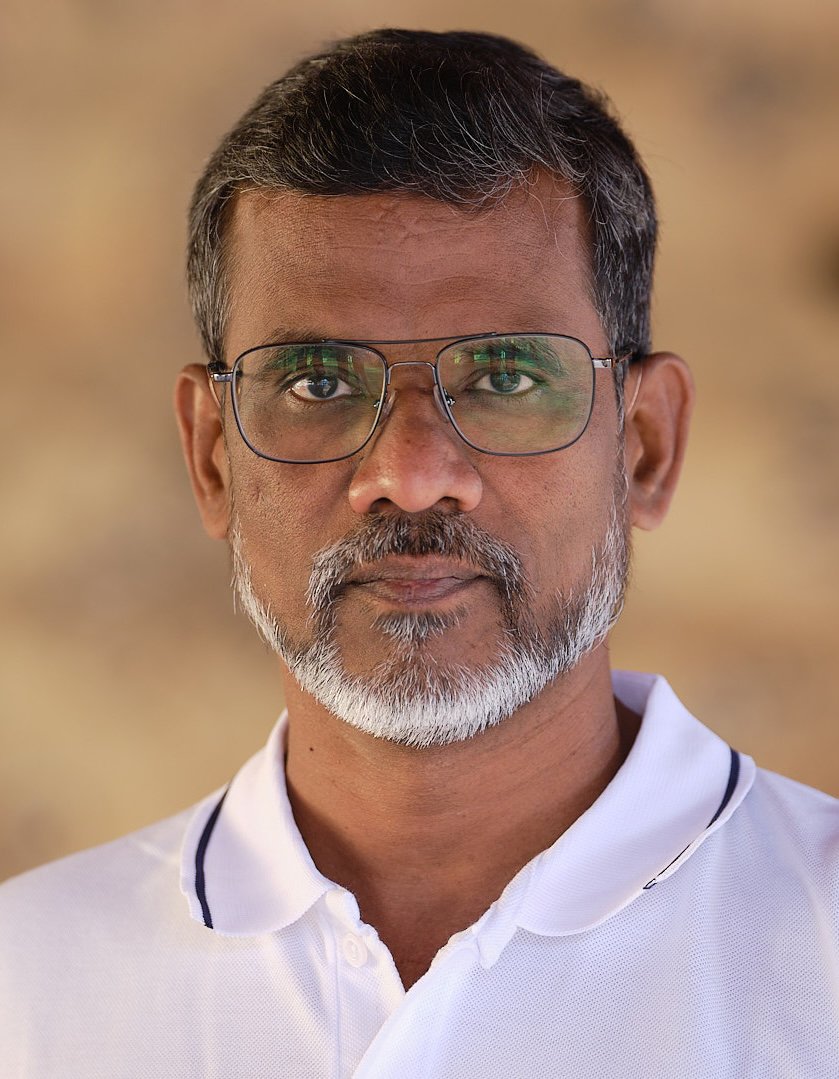
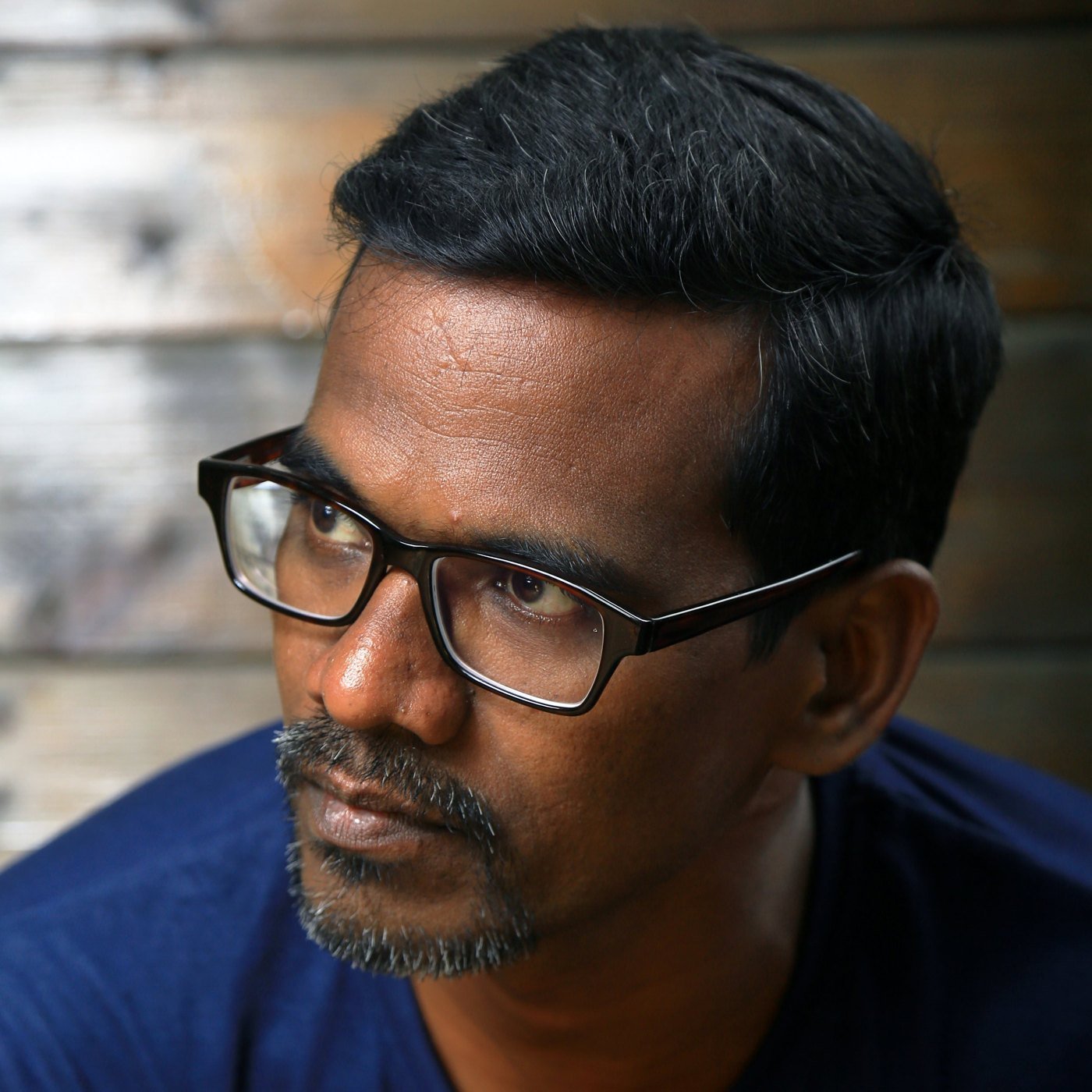
Portrait of Bharadwaj Dayala
Kiri Kiri is his first feature. He is making it in front of you.

The story so far

A habit of going first.

Auteur theory

One film.
One vision.

From the French New Wave to Stanley Kubrick — and a new era of independent filmmaking.

↓
  1. A novelistwrites a novel.
  2. A painterpaints a picture.
  3. A composercreates a symphony.

Why shouldn’t a filmmaker create a film?

This simple yet radical question lies at the heart of one of cinema’s most influential ideas: Auteur Theory.

The birth of an idea

The camera became a pen.

  1. 1948

    La Caméra-Stylo

    French filmmaker and critic Alexandre Astruc introduced the concept of La Caméra-Stylo: the camera as a pen. He believed filmmakers could express their thoughts, emotions and imagination through cinema, just as writers do through literature.

  2. 1950s

    Cahiers du Cinéma

    A group of young French critics writing for Cahiers du Cinéma took this idea further.

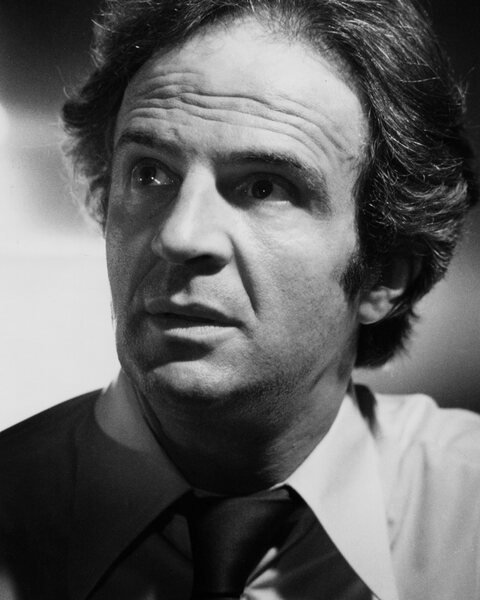
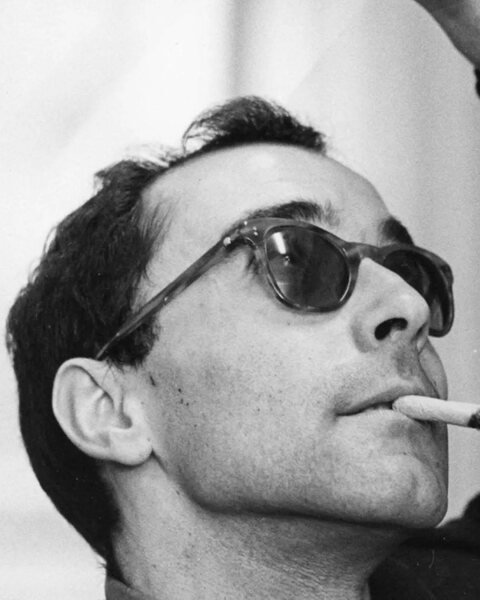
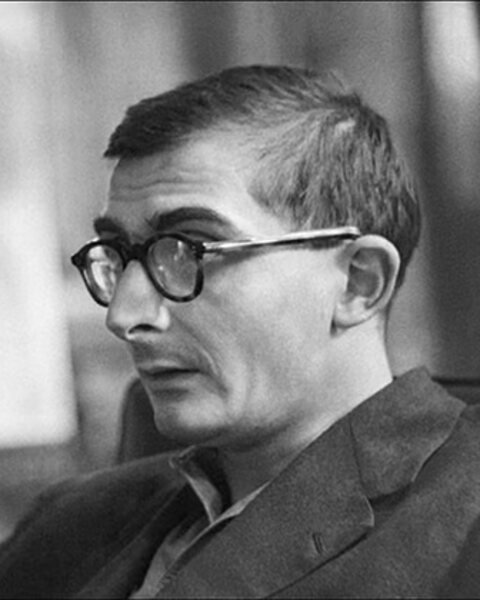
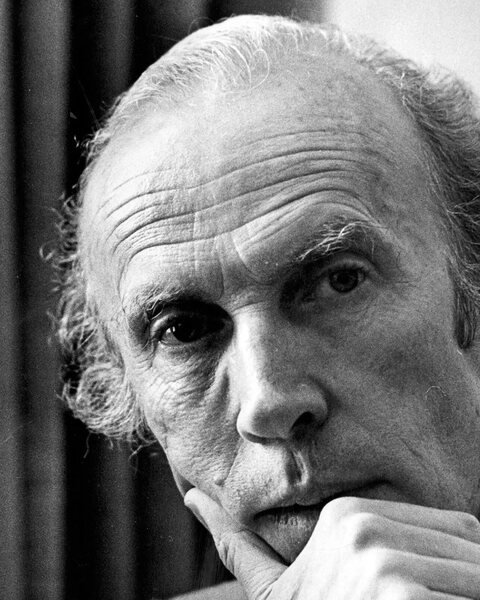
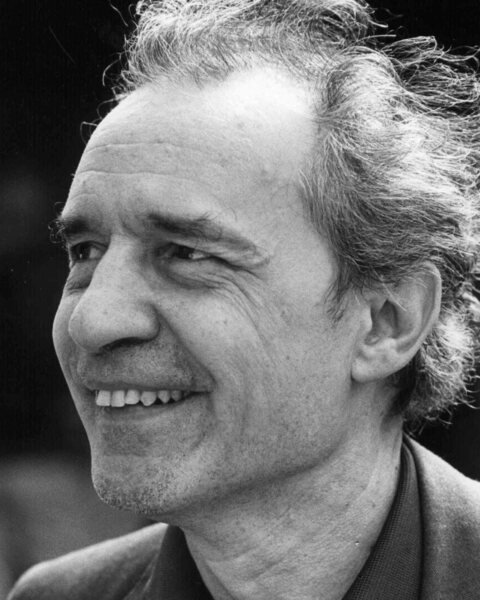
    • François Truffaut
      FrançoisTruffaut
    • Jean-Luc Godard
      Jean-LucGodard
    • Claude Chabrol
      ClaudeChabrol
    • Éric Rohmer
      ÉricRohmer
    • Jacques Rivette
      JacquesRivette
  3. 1954

    The director as author

    Truffaut’s landmark essay challenged conventional filmmaking and championed the director as the true artistic author of a film.

  4. Then

    The French New Wave

    These critics would eventually become filmmakers themselves, launching the French New Wave and changing cinema forever.

  5. 1962

    Auteur theory

    American critic Andrew Sarris popularised the term Auteur Theory.

The principle was simpleA great filmmaker leaves an unmistakable personal signature on every film.

Kubrick’s conviction

Perhaps no statement captures the ambition of auteur filmmaking better than these words attributed to Stanley Kubrick:

One man writes a novel.One man writes a symphony.It is essential thatone man make a film.

Stanley Kubrick

Satyajit Ray’s way

In India, Satyajit Ray lived this idea. He wrote his screenplays, directed the performances, operated the camera, composed the music and designed the visuals. In his own words:

I liked to do everythingin the making of the film.

Satyajit Ray

The auteurs

Every frame. One signature.

Stanley Kubrick

Pursued extraordinary creative control over his films, involving himself in every stage.

  • Writing
  • Cinematography
  • Production design
  • Editing
  • Music

Charlie Chaplin

Went even further, on many of his films.

  • Writing
  • Directing
  • Producing
  • Acting
  • Composing music

Satyajit Ray

In India, demonstrated similar creative independence, mastering every craft he touched.

  • Screenwriting
  • Direction
  • Music
  • Illustration
  • Visual design
  • Hitchcock
  • Bergman
  • Tarkovsky
  • Orson Welles
  • Agnès Varda

All demonstrated the power of cinema as a deeply personal artistic expression.

The missing piece

But there was always a limitation.

Cinema is the most collaborative of all the arts. Screenwriters, cinematographers, editors, designers, composers and actors all leave their mark on a film. So from the very beginning, auteur theory had its critics. A film is made by hundreds of creative people, they argued. How can it be credited to just one?

The auteurs had an answer: a great film carries one vision. But they could never fully prove it. An auteur could imagine an entire film, yet still needed an army of people to bring that vision to the screen.

Auteur theory made the filmmaker the principal author of a film. It could never show one filmmaker making the film alone.

What if technology could change that?

For seventy years, auteur theory was an argument. Now it can be proven.

The AI revolution

AI does not replace imagination. It empowers it.

Artificial intelligence is opening a possibility that earlier generations of filmmakers could barely imagine. One individual can now create, with unprecedented creative independence:

  1. 01Characters
  2. 02Environments
  3. 03Cinematic imagery
  4. 04Visual effects
  5. 05Entire fictional worlds

For the first time, the possibility of one filmmaker handling most of the creative and technical responsibilities of a feature film is becoming increasingly practical.

One Man Show Films

Auteur theory in action.

One Man Show Films is an experiment in taking this philosophy further.

Filmmaker Bharadwaj Dayala is attempting to make an entire feature film, KIRI KIRI, in 180 days, taking responsibility for every major filmmaking department.

The entire journey will be documented live. Not merely to prove what one filmmaker can accomplish, but to demonstrate what thousands of independent filmmakers might accomplish themselves.

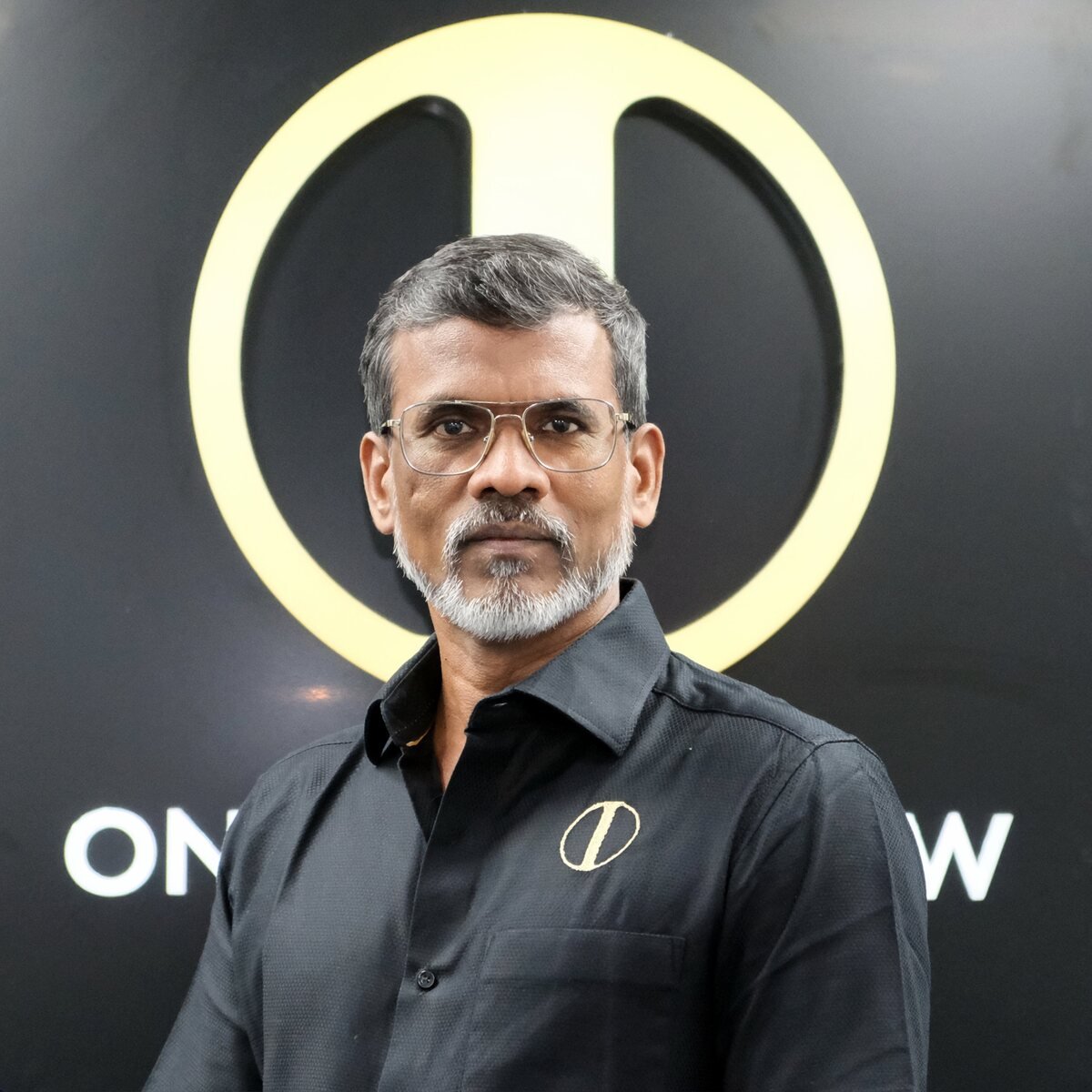
Bharadwaj Dayala in front of the One Man Show Films emblem

From then to now

One idea, seventy-eight years.

  1. 1948

    Astruc imagined the camera becoming a pen.

  2. 1950s

    Truffaut championed the filmmaker as an author.

  3. Kubrick

    Dreamed of cinema shaped by one creative vision.

  4. Today

    Technology may allow that vision to be realised with unprecedented independence.

The auteur once sought the freedom to control every frame.

Now, the auteur may have the freedom to create every frame.

One Man Show Films

Auteur theory in action

Press & Events

Every moment of the journey, on the record.

From the day the studio opened to every milestone of the 180 days: the events, and what the press has written about them.

Events

In the press

For journalists

Press kit

Everything you need to write about One Man Show Films. For interviews and studio visits, write to us.

PRESS contact@onemanshowfilms.com

PHONE +91 93928 41144

In one line

Bharadwaj Dayala, the first Indian to ride a motorcycle solo around the world, is making a feature film, Kiri Kiri, as one person with AI as his crew, in 180 days, in public.

About

One Man Show Films (OPC) Pvt Ltd is a Hyderabad studio where one person leads every department of a feature film, using AI-powered workflows and real actors. Its first film, Kiri Kiri, is a social sci-fi comedy set around Hyderabad's Charminar. Production runs from 22 November 2026 to 20 May 2027, streamed live to the members of One Man Show Filmmaking.

Contact

Write to the studio.

Every message is read by Bharadwaj and the team. Pick the right inbox and we’ll get back to you faster.

01 · One Man Show Films

General enquiries

Partners, filmmakers, brands, collaborations and everything else about One Man Show Films.

02 · The course

Course enquiries

Joining the course, payments, schedules, members and anything related to One Man Show Filmmaking.

03 · Media

Journalists

The press kit, photos, coverage and events are all on Press & Events.

Press & Events

Send a message

Recommended · 22 Nov 2026 – 20 May 2027

The full course.All six months.

From a blank page to a finished film. Kiri Kiri, and yours.

For 180 days you watch a feature film being made from nothing, live, and you make your own film alongside it, one craft a month. Each month hands its work to the next, which is why the full course is the way it was designed to be taken.

Join the full course ₹30,000 in India · US$499 outside India · until 30 Nov

Why the full course

One film needs all six crafts.

  • Six months for the price of threeBought one by one, the six months cost ₹60,000 (US$894). The full course is ₹30,000 (US$499) until 30 November.
  • Your film, start to finishEach month picks up exactly where the last one stopped. Only the full course takes your own film from a blank page to a finished film.
  • Two tickets to the Kiri Kiri premiereOne for you, and one for someone who believed in you.
  • The course short film competitionFinish your film and enter it alongside everyone else on the course.
  • Recordings until 20 June 2027Every session of all six months, on demand until one month after the course ends.
  • A safe startChange your mind in Month 1 or 2 and you pay only for the months that have started.

Compare

Full course or one month?

Full course RecommendedSingle month
Price₹30,000 · US$499₹10,000 · US$149 a month
MonthsAll six, 180 daysThe month you choose
Live studio, daily tips, evening wrap-up
Your own film, start to finish—
RecordingsUntil 20 June 2027Your month + one month
Kiri Kiri premiere ticketsTwo—
Short film competition—

The full course · all six months

Join the full course.

22 November 2026 – 20 May 2027 · live every day, 4 AM – 7 PM IST

India₹30,000₹60,000
Outside IndiaUS$499US$999

These prices are open until 30 November 2026. From 1 December, the full course is ₹60,000 in India and US$999 outside India.

One payment · inclusive of all taxes

Join the full course

Checkout shows your price automatically.

Prefer one month at a time?

Month 1 · Days 1–30 · 22 Nov – 21 Dec 2026

Story & Screenplay

From an idea on the wall to a locked screenplay.

Every film is decided on the page. In the first thirty days, Kiri Kiri goes from a premise on the white wall to a screenplay that is locked and ready to be broken down. You watch every draft being written, torn up and rewritten, and you write your own screenplay alongside it.

Join month one ₹10,000 in India · US$149 outside India

By Day 30

You leave with a locked screenplay.

Four weeks, four milestones. Each one builds on the last, on Kiri Kiri and on your own film.

  1. Week 1A premise and logline you can defend in one breath.
  2. Week 2A complete beat sheet and a cast of characters who want something.
  3. Week 3A complete first draft. Ugly is allowed. Unfinished is not.
  4. Week 4A locked screenplay, ready to be broken down in Month 2.

Week by week

What happens in Month 1.

  1. Week 1Days 1–7 · 22 Nov – 28 Nov

    Premise, logline and the world

    In the studio

    • The premise is pinned to the wall and pushed until it holds a feature
    • The logline is written, tested and rewritten
    • The world of the Old City is researched: its streets, voices, food, faith and politics

    Daily tips

    • What makes a premise strong enough for two hours
    • writing a logline that sells
    • building a world before writing a scene

    Your own film

    Find your premise and write your logline. Write a one-page description of your world.

    By the end of week 1: A premise and logline you can defend in one breath.

  2. Week 2Days 8–15 · 29 Nov – 6 Dec

    Characters and structure

    In the studio

    • Every character gets a want, a fear and a secret
    • Relationships and conflicts are mapped on the wall
    • The story is built beat by beat into a full beat sheet

    Daily tips

    • Character arcs
    • protagonist and antagonist
    • three-act and other structures
    • set-ups and payoffs
    • comedy structure

    Your own film

    Write character sheets for your main characters. Build your beat sheet.

    By the end of week 2: A complete beat sheet and a cast of characters who want something.

  3. Week 3Days 16–22 · 7 Dec – 13 Dec

    The first draft

    In the studio

    • The screenplay is written scene by scene, live
    • Dialogue is found for every voice, in Hindi and Telugu with the Hyderabadi Deccani flavour of the Old City, and for the aliens who learn it
    • Scenes that don't work are cut on camera

    Daily tips

    • Screenplay format
    • writing action that can be seen
    • dialogue and subtext
    • writing comedy that plays
    • scene openings and endings

    Your own film

    Write the first draft of your screenplay, all the way to FADE OUT.

    By the end of week 3: A complete first draft. Ugly is allowed. Unfinished is not.

  4. Week 4Days 23–30 · 14 Dec – 21 Dec

    Rewrite, table read and script lock

    In the studio

    • The draft is read cold and rewritten
    • A table read with actors exposes what works aloud
    • Final polish and the script is locked

    Daily tips

    • How to rewrite without losing the spark
    • reading your own work honestly
    • what a table read teaches
    • when to stop

    Your own film

    Rewrite your draft, read it aloud, and lock your screenplay.

    By the end of week 4: A locked screenplay, ready to be broken down in Month 2.

Where AI fits in

AI as a writing partner, not a writer: research, idea generation, stress-testing structure, reading drafts back, and the limits of what a model should ever be allowed to write for you.

Every day of the month

  • Daily tipsThe craft of the day, every morning.
  • Live studio, 4 AM – 7 PM ISTFour live sessions a day on the real film, thinking aloud.
  • Evening wrap-upWhat worked, what failed, and your questions answered.
  • Every session recordedOn demand during your month and until 21 January 2027.
  • Your own filmDo the same work on your own film, alongside Kiri Kiri.

Month 1 · Story & Screenplay

Join Month 1.

22 Nov – 21 Dec 2026 · live every day, 4 AM – 7 PM IST

India₹10,000
Outside IndiaUS$149

One payment · inclusive of all taxes · recordings open until 21 January 2027

Join month one

Checkout shows your price automatically.

All six months cost ₹30,000 (US$499), the price of three. Why the full course →

Month 2 · Days 31–60 · 22 Dec – 20 Jan 2027

Pre-production

The script becomes a plan, scene by scene and shot by shot.

A locked script is still only words. In Month 2 every scene of Kiri Kiri is broken down, divided into shots, drawn, designed and cast. By the end of the month there is a plan for every frame of the film, and the actors are ready to walk into the studio.

Join month two ₹10,000 in India · US$149 outside India

By Day 60

You leave with a plan for every frame.

Four weeks, four milestones. Each one builds on the last, on Kiri Kiri and on your own film.

  1. Week 1A complete shot list for your film.
  2. Week 2Storyboards and previs for your most important scenes.
  3. Week 3A look book: characters, locations, costumes and palette.
  4. Week 4A cast, a rehearsed performance plan and a shoot schedule.

Week by week

What happens in Month 2.

  1. Week 1Days 31–37 · 22 Dec – 28 Dec

    Script breakdown and shot division

    In the studio

    • The script is broken down: characters, locations, props, costumes, effects
    • Every scene is divided into shots
    • A shot list is built for the whole film

    Daily tips

    • Reading a script as a director
    • shot sizes and angles
    • coverage
    • how shot choices tell the story
    • the shot list

    Your own film

    Break down your screenplay and write the shot division for every scene.

    By the end of week 1: A complete shot list for your film.

  2. Week 2Days 38–45 · 29 Dec – 5 Jan

    Storyboards and previsualisation

    In the studio

    • Key scenes are storyboarded frame by frame
    • Rough previs is built to test timing, framing and comedy beats
    • Weak sequences are redesigned before a single frame is shot

    Daily tips

    • Storyboarding without drawing skills
    • composition and movement
    • previs and animatics
    • blocking a scene on paper

    Your own film

    Storyboard your key scenes and build a rough animatic.

    By the end of week 2: Storyboards and previs for your most important scenes.

  3. Week 3Days 46–52 · 6 Jan – 12 Jan

    The look of the film

    In the studio

    • Production design and art direction for the Old City, the Charminar and the spaceship
    • Costume design and character sheets for humans and aliens
    • The colour palette and visual rules of the film are set

    Daily tips

    • Production design
    • art direction
    • costume as character
    • colour and mood
    • building a look book
    • visual consistency

    Your own film

    Design your characters and locations. Build your look book.

    By the end of week 3: A look book: characters, locations, costumes and palette.

  4. Week 4Days 53–60 · 13 Jan – 20 Jan

    Casting, actor workshops and the schedule

    In the studio

    • Actors are auditioned and cast for every role
    • Workshops with the cast: characters, accents, comedy timing
    • The shoot schedule for Month 3 is built day by day

    Daily tips

    • What to look for in an audition
    • casting against type
    • running an actor workshop
    • scheduling a shoot
    • the call sheet

    Your own film

    Cast your film, rehearse your actors, and schedule your shoot.

    By the end of week 4: A cast, a rehearsed performance plan and a shoot schedule.

Where AI fits in

AI for breakdowns, storyboard frames, previsualisation, concept art, character sheets, location looks and scheduling, with a human deciding every frame.

Every day of the month

  • Daily tipsThe craft of the day, every morning.
  • Live studio, 4 AM – 7 PM ISTFour live sessions a day on the real film, thinking aloud.
  • Evening wrap-upWhat worked, what failed, and your questions answered.
  • Every session recordedOn demand during your month and until 20 February 2027.
  • Your own filmDo the same work on your own film, alongside Kiri Kiri.

Month 2 · Pre-production

Join Month 2.

22 Dec – 20 Jan 2027 · live every day, 4 AM – 7 PM IST

India₹10,000
Outside IndiaUS$149

One payment · inclusive of all taxes · recordings open until 20 February 2027

Join month two

Checkout shows your price automatically.

All six months cost ₹30,000 (US$499), the price of three. Why the full course →

Month 3 · Days 61–90 · 21 Jan – 19 Feb 2027

Directing Actors

Cameras roll. Real actors perform every scene in the studio.

In Month 3 the studio becomes a set. Real actors perform every scene of Kiri Kiri against a white wall, framed and lit as they are shot. Their performances are the heart of the film, and they drive every AI character that follows in Month 4.

Join month three ₹10,000 in India · US$149 outside India

By Day 90

You leave with every performance your film needs.

Four weeks, four milestones. Each one builds on the last, on Kiri Kiri and on your own film.

  1. Week 1A tested set-up and actors ready to shoot.
  2. Week 2The first block of your film in the can.
  3. Week 3Most of your film shot.
  4. Week 4Every performance your film needs, selected and logged.

Week by week

What happens in Month 3.

  1. Week 1Days 61–67 · 21 Jan – 27 Jan

    Studio set-up, camera and rehearsals

    In the studio

    • The studio is set up: camera, lenses, lighting, sound
    • Camera and lighting tests for every look of the film
    • Final rehearsals on the floor

    Daily tips

    • Cinematography basics
    • lenses and framing
    • lighting a face
    • lighting for AI
    • recording clean sound
    • the rehearsal

    Your own film

    Set up your space, test your camera and light, and rehearse.

    By the end of week 1: A tested set-up and actors ready to shoot.

  2. Week 2Days 68–75 · 28 Jan – 4 Feb

    Shooting the aliens

    In the studio

    • The alien scenes are performed by actors and captured for AI
    • Physical comedy, voice and character are directed take by take
    • Every take is logged for generation

    Daily tips

    • Directing performance
    • giving notes actors can use
    • performing for characters that don't exist yet
    • performance capture

    Your own film

    Shoot your first scenes.

    By the end of week 2: The first block of your film in the can.

  3. Week 3Days 76–82 · 5 Feb – 11 Feb

    Human scenes, dialogue and comedy timing

    In the studio

    • Fathima, Eashwar, Rahman and the city are shot
    • Dialogue scenes are covered from every angle
    • Comedy timing is built in the take, not fixed later

    Daily tips

    • Covering a dialogue scene
    • comedy timing
    • continuity
    • directing children, crowds and non-actors
    • protecting the performance

    Your own film

    Shoot your dialogue scenes.

    By the end of week 3: Most of your film shot.

  4. Week 4Days 83–90 · 12 Feb – 19 Feb

    Crowds, pick-ups and wrap

    In the studio

    • Crowd scenes and inserts
    • Pick-ups for anything missing or weak
    • Selects are chosen and the shoot wraps

    Daily tips

    • Shooting crowds alone
    • pick-ups and safety takes
    • logging and selecting takes
    • what to do when a scene fails

    Your own film

    Finish your shoot and choose your selects.

    By the end of week 4: Every performance your film needs, selected and logged.

Where AI fits in

Performance capture, reference footage for AI characters, on-set monitoring and continuity tools. The performance itself always comes from a human being.

Every day of the month

  • Daily tipsThe craft of the day, every morning.
  • Live studio, 4 AM – 7 PM ISTFour live sessions a day on the real film, thinking aloud.
  • Evening wrap-upWhat worked, what failed, and your questions answered.
  • Every session recordedOn demand during your month and until 19 March 2027.
  • Your own filmDo the same work on your own film, alongside Kiri Kiri.

Month 3 · Directing Actors

Join Month 3.

21 Jan – 19 Feb 2027 · live every day, 4 AM – 7 PM IST

India₹10,000
Outside IndiaUS$149

One payment · inclusive of all taxes · recordings open until 19 March 2027

Join month three

Checkout shows your price automatically.

All six months cost ₹30,000 (US$499), the price of three. Why the full course →

Month 4 · Days 91–120 · 20 Feb – 21 Mar 2027

AI Generation

The performances become the film.

In Month 4 the performances shot in the studio are turned into the world of Kiri Kiri. Characters, the Old City, the Charminar and the spaceship are generated shot by shot, checked, fixed and finished. This is where most people think AI filmmaking begins. By now you will know why it doesn't.

Join month four ₹10,000 in India · US$149 outside India

By Day 120

You leave with every shot of your film.

Four weeks, four milestones. Each one builds on the last, on Kiri Kiri and on your own film.

  1. Week 1A tested pipeline and the final look of your film.
  2. Week 2Your characters, consistent and alive.
  3. Week 3Every environment of your film.
  4. Week 4Every shot of your film, generated and checked.

Week by week

What happens in Month 4.

  1. Week 1Days 91–97 · 20 Feb – 26 Feb

    The pipeline and style frames

    In the studio

    • The generation pipeline is built and tested
    • Models are compared shot type by shot type
    • Style frames set the final look of the film

    Daily tips

    • How image and video models work
    • choosing a model for a shot
    • prompts as direction
    • building a style frame
    • cost and time

    Your own film

    Choose your tools and create your style frames.

    By the end of week 1: A tested pipeline and the final look of your film.

  2. Week 2Days 98–105 · 27 Feb – 6 Mar

    Characters, performance and lip-sync

    In the studio

    • Characters are made consistent from shot to shot
    • Actor performances are transferred onto AI characters
    • Lip-sync and expression are fixed until they hold

    Daily tips

    • Character consistency
    • performance transfer
    • faces, hands and eyes
    • lip-sync
    • avoiding the uncanny

    Your own film

    Generate your characters from your performances.

    By the end of week 2: Your characters, consistent and alive.

  3. Week 3Days 106–112 · 7 Mar – 13 Mar

    Worlds, environments and effects

    In the studio

    • The Old City, the Charminar and the spaceship are built
    • Environments are matched to the camera and light of the shoot
    • Visual effects shots are designed and generated

    Daily tips

    • Generating environments
    • matching light and camera
    • compositing
    • visual effects
    • keeping a world consistent

    Your own film

    Generate your worlds and effects shots.

    By the end of week 3: Every environment of your film.

  4. Week 4Days 113–120 · 14 Mar – 21 Mar

    The full generation run and QC

    In the studio

    • Every shot of the film is generated
    • Quality control, shot by shot
    • Failed shots are fixed, regenerated or redesigned

    Daily tips

    • Running a full generation pass
    • quality control
    • fixing artefacts
    • when to regenerate and when to rethink
    • disclosure and rights

    Your own film

    Generate every shot of your film and check each one.

    By the end of week 4: Every shot of your film, generated and checked.

Where AI fits in

Image and video models, character consistency, performance transfer, lip-sync, environments, visual effects, upscaling and quality control, chosen for what the shot needs, not for what is new.

Every day of the month

  • Daily tipsThe craft of the day, every morning.
  • Live studio, 4 AM – 7 PM ISTFour live sessions a day on the real film, thinking aloud.
  • Evening wrap-upWhat worked, what failed, and your questions answered.
  • Every session recordedOn demand during your month and until 21 April 2027.
  • Your own filmDo the same work on your own film, alongside Kiri Kiri.

Month 4 · AI Generation

Join Month 4.

20 Feb – 21 Mar 2027 · live every day, 4 AM – 7 PM IST

India₹10,000
Outside IndiaUS$149

One payment · inclusive of all taxes · recordings open until 21 April 2027

Join month four

Checkout shows your price automatically.

All six months cost ₹30,000 (US$499), the price of three. Why the full course →

Month 5 · Days 121–150 · 22 Mar – 20 Apr 2027

Editing & Colour

The film is assembled, cut, recut and graded.

A film is written three times: on the page, on the set and in the edit. In Month 5 every shot of Kiri Kiri is assembled, cut and recut until the story plays and the comedy lands. You watch the hard calls on what stays and what goes, and then the film gets its final colour.

Join month five ₹10,000 in India · US$149 outside India

By Day 150

You leave with a locked, graded picture.

Four weeks, four milestones. Each one builds on the last, on Kiri Kiri and on your own film.

  1. Week 1Your whole film on a timeline for the first time.
  2. Week 2A rough cut that tells the story.
  3. Week 3A locked picture.
  4. Week 4A graded film, ready for sound.

Week by week

What happens in Month 5.

  1. Week 1Days 121–127 · 22 Mar – 28 Mar

    The assembly

    In the studio

    • Every shot is laid out in script order
    • The first full assembly of the film is watched, start to finish
    • The problems are listed honestly

    Daily tips

    • Organising a project
    • the assembly
    • watching your own film without lying to yourself
    • editing software basics

    Your own film

    Assemble your film in script order.

    By the end of week 1: Your whole film on a timeline for the first time.

  2. Week 2Days 128–135 · 29 Mar – 5 Apr

    The rough cut

    In the studio

    • Scenes are cut, moved and dropped
    • Pacing and structure are rebuilt in the edit
    • Comedy is timed frame by frame

    Daily tips

    • Cutting for story
    • pacing
    • the cut that saves a scene
    • cutting comedy
    • killing your darlings

    Your own film

    Cut your rough cut.

    By the end of week 2: A rough cut that tells the story.

  3. Week 3Days 136–142 · 6 Apr – 12 Apr

    Fine cut and picture lock

    In the studio

    • Every cut is refined
    • Test screenings with fresh eyes
    • Picture lock

    Daily tips

    • Fine cutting
    • rhythm and transitions
    • test screenings and feedback
    • knowing when the picture is locked

    Your own film

    Refine, screen and lock your picture.

    By the end of week 3: A locked picture.

  4. Week 4Days 143–150 · 13 Apr – 20 Apr

    Colour grading and conform

    In the studio

    • The conform: final-quality shots replace working versions
    • Every scene is colour graded
    • Shots from different sources are matched into one look

    Daily tips

    • Colour correction and grading
    • matching shots
    • grading generated footage
    • skin tones
    • building the final look

    Your own film

    Grade your film.

    By the end of week 4: A graded film, ready for sound.

Where AI fits in

AI-assisted logging and assembly, transcript-based editing, temp sound, upscaling, frame interpolation, and AI tools inside the colour grade.

Every day of the month

  • Daily tipsThe craft of the day, every morning.
  • Live studio, 4 AM – 7 PM ISTFour live sessions a day on the real film, thinking aloud.
  • Evening wrap-upWhat worked, what failed, and your questions answered.
  • Every session recordedOn demand during your month and until 20 May 2027.
  • Your own filmDo the same work on your own film, alongside Kiri Kiri.

Month 5 · Editing & Colour

Join Month 5.

22 Mar – 20 Apr 2027 · live every day, 4 AM – 7 PM IST

India₹10,000
Outside IndiaUS$149

One payment · inclusive of all taxes · recordings open until 20 May 2027

Join month five

Checkout shows your price automatically.

All six months cost ₹30,000 (US$499), the price of three. Why the full course →

Month 6 · Days 151–180 · 21 Apr – 20 May 2027

Sound, Music & Release

Voices, effects and music bring the film to life. Then it goes out into the world.

Half of what an audience feels, it hears. In the final month Kiri Kiri gets its voices, sounds, music and final mix. Then the work turns outward: titles, trailer, deliverables, festivals and release. On Day 180, the film is finished.

Join month six ₹10,000 in India · US$149 outside India

By Day 180

You leave with a finished film.

Four weeks, four milestones. Each one builds on the last, on Kiri Kiri and on your own film.

  1. Week 1Clean, clear dialogue across your film.
  2. Week 2A full sound design.
  3. Week 3Your film's music, in place.
  4. Week 4A finished film, ready for the world.

Week by week

What happens in Month 6.

  1. Week 1Days 151–157 · 21 Apr – 27 Apr

    Dialogue, ADR and alien voices

    In the studio

    • Dialogue is cleaned and edited
    • ADR for anything that didn't record well
    • The voices of the aliens are created

    Daily tips

    • Dialogue editing
    • ADR
    • voice design
    • cleaning noisy recordings
    • voice rights and consent

    Your own film

    Edit your dialogue and record any ADR.

    By the end of week 1: Clean, clear dialogue across your film.

  2. Week 2Days 158–165 · 28 Apr – 5 May

    Sound design and Foley

    In the studio

    • The sound of the Old City is built
    • Foley and sound effects for every scene
    • Ambience and the sound of the spaceship

    Daily tips

    • Sound design
    • Foley
    • ambience
    • sound as storytelling
    • sound for comedy

    Your own film

    Design the sound of your film.

    By the end of week 2: A full sound design.

  3. Week 3Days 166–172 · 6 May – 12 May

    Music

    In the studio

    • The musical identity of the film is found
    • Score and songs are composed and placed
    • Music is cut to picture

    Daily tips

    • What music does in a film
    • spotting a film
    • score and songs
    • AI music tools
    • music rights

    Your own film

    Create and place your music.

    By the end of week 3: Your film's music, in place.

  4. Week 4Days 173–180 · 13 May – 20 May

    Final mix, titles and release

    In the studio

    • The final mix
    • Titles and the end credit roll
    • Deliverables, trailer, poster, festival strategy and release

    Daily tips

    • The final mix
    • titles and credits
    • deliverables
    • cutting a trailer
    • festivals
    • releasing and marketing a film

    Your own film

    Mix your film, add titles and finish it.

    By the end of week 4: A finished film, ready for the world.

Where AI fits in

AI voices and dialogue clean-up, sound effects, music tools, mixing assistance and trailer edits, with clear attention to rights and licensing.

Every day of the month

  • Daily tipsThe craft of the day, every morning.
  • Live studio, 4 AM – 7 PM ISTFour live sessions a day on the real film, thinking aloud.
  • Evening wrap-upWhat worked, what failed, and your questions answered.
  • Every session recordedOn demand during your month and until 20 June 2027.
  • Your own filmDo the same work on your own film, alongside Kiri Kiri.

Month 6 · Sound, Music & Release

Join Month 6.

21 Apr – 20 May 2027 · live every day, 4 AM – 7 PM IST

India₹10,000
Outside IndiaUS$149

One payment · inclusive of all taxes · recordings open until 20 June 2027

Join month six

Checkout shows your price automatically.

All six months cost ₹30,000 (US$499), the price of three. Why the full course →